


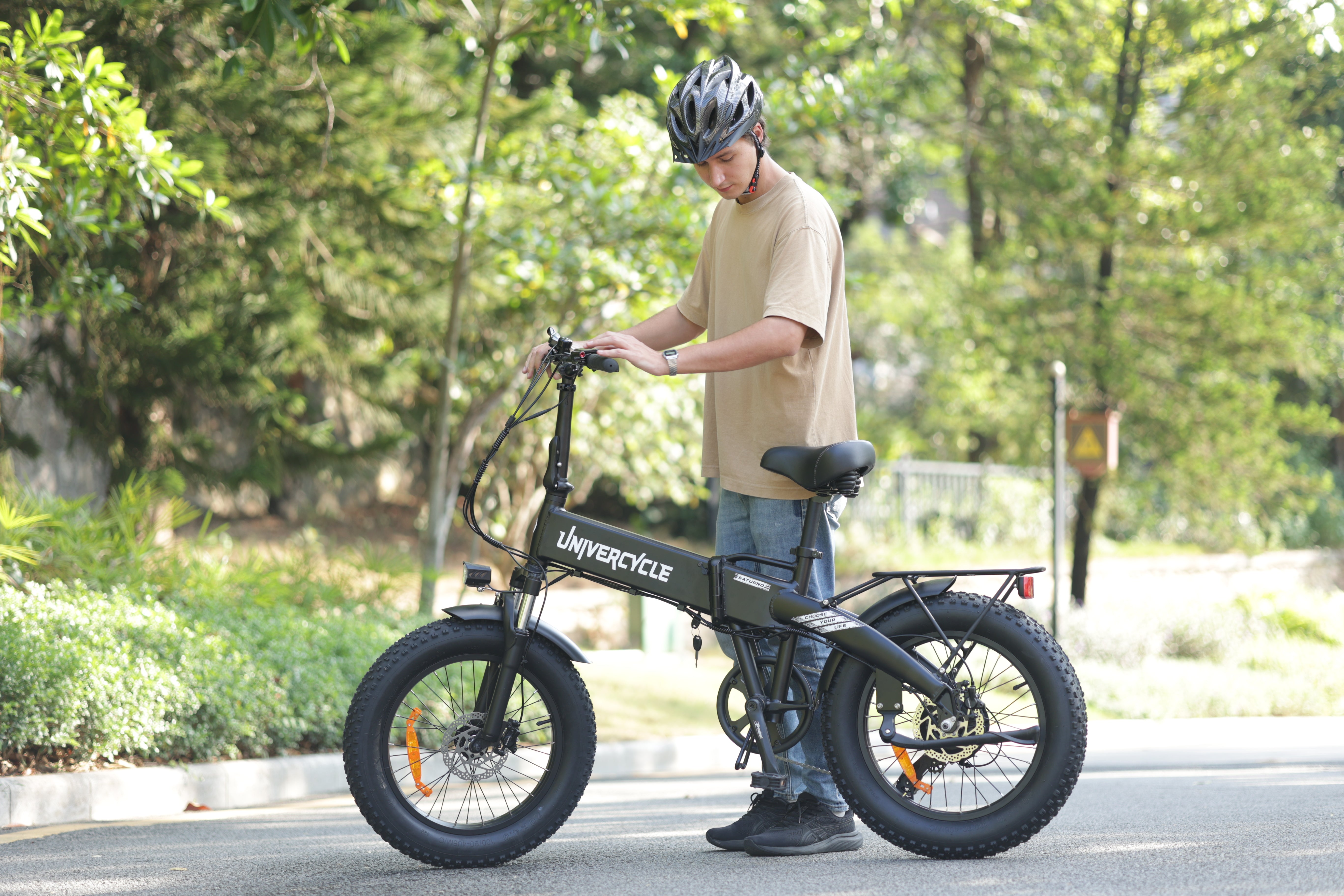
If your commute feels just a little too long to walk, too short to drive, and too unpredictable for public transit alone, a folding electric bike can be a very practical middle ground. It gives you pedal assistance when the road tilts uphill or the morning is already hot, then folds down when you need to bring it into an apartment, office, elevator, car trunk, or train.
For many U.S. riders, the real question is not whether an e-bike is useful. It is whether a folding electric bike for commuters can handle daily routines without becoming one more bulky thing to manage. The short answer: yes, if you choose the right frame, range, motor support, tires, brakes, and carrying setup for the way you actually travel.
This guide walks through what matters before you buy, how to match a folding e-bike to your commute, and how to make daily riding easier from day one.
Why a folding electric bike works well for commuting
A commuter bike has to do more than feel fun on a weekend ride. It needs to fit real life: tight storage, mixed traffic, weather changes, work clothes, bags, stairs, and sometimes public transportation. A folding electric bike solves three common problems at once.
- Storage: A folding frame is easier to keep inside a small apartment, under a desk, in a closet, or near an entryway.
- Flexible trips: You can ride part of the way, fold the bike for a train or rideshare, then unfold it for the final mile.
- Less effort: Pedal assist helps smooth out hills, headwinds, bridges, and longer distances without turning every commute into a workout.
That combination is especially useful in U.S. cities and suburbs where the commute may include bike lanes, neighborhood streets, office parking, transit stations, and short indoor storage windows.

Start with your real commute, not the spec sheet
Before comparing models, map out your normal week. A bike that is perfect for a three-mile flat city ride may not be the best choice for a twelve-mile route with hills and rough pavement.
Ask yourself:
- How many miles will I ride each day, round trip?
- Do I need to carry the folded bike up stairs?
- Will I combine riding with bus, subway, train, or car travel?
- Are my roads smooth, cracked, wet, steep, or full of stop-and-go traffic?
- Do I need space for a backpack, laptop bag, groceries, or work gear?
Once you answer those questions, the most important features become much easier to judge.
Key features to look for in a commuter folding e-bike
1. A practical folded size
Folded dimensions matter more than they first appear. If the bike technically folds but still takes over your hallway, it will be harder to use every day. Look for a compact fold that fits your storage space, and pay attention to how stable the folded bike feels when parked.
If you plan to carry it often, also check whether the frame has a natural grip point and whether the folded shape is balanced. A slightly lighter bike is helpful, but a well-balanced fold can be just as important.
2. Enough range for your routine
Range depends on rider weight, assist level, hills, wind, tire pressure, road surface, temperature, and how often you stop and start. Instead of focusing only on the maximum advertised range, choose a folding electric bike with enough battery capacity for your normal round trip plus a comfortable buffer.
For example, if your commute is 10 miles round trip, it is smart to choose a bike that can comfortably handle more than that in your typical assist mode. That way you are not planning every day around a perfect full charge.
3. Smooth pedal assist
For commuting, smoothness matters. You want assistance that feels controlled when leaving a stoplight, passing through a crowded path, or riding next to traffic. Multiple pedal assist levels are useful because they let you save battery on flat sections and add power when climbing or accelerating.
If you are choosing a Univercycle folding electric bike, look for a setup that gives you enough support for hills and longer rides while still feeling predictable at low speeds.
4. Tires that match your streets
Smaller folding-bike wheels make the bike compact, but tire quality still matters. Wider tires can add comfort and stability on rough city pavement, broken asphalt, and uneven curb cuts. Narrower tires may feel quicker on smooth roads but can be less forgiving on imperfect surfaces.
For many commuter riders, the best tire choice is the one that helps the bike feel steady, comfortable, and easy to control during everyday riding.
5. Reliable brakes and visibility
Commuting means repeated stops, changing traffic, wet mornings, and low-light rides. Strong brakes, bright lights, reflectors, and a bell are not extras; they are part of the daily commuting setup. If your route includes hills or frequent traffic stops, prioritize braking confidence.
Also check local e-bike rules before riding. Regulations can vary by state, city, path, and transit system, especially around speed classes, bike lanes, and where e-bikes are allowed.
Folding e-bike vs. regular e-bike for commuters
| Feature | Folding electric bike | Regular electric bike |
|---|---|---|
| Storage | Easier for apartments, offices, and trunks | Needs more dedicated space |
| Transit use | Better for mixed trips | Harder to bring onto transit or into cars |
| Ride feel | Compact and maneuverable | Often more traditional bike handling |
| Best for | Urban riders, apartment dwellers, multimodal commuters | Longer rides with plenty of storage space |
If you have a garage, a long open-road route, and no need to fold the bike, a regular e-bike may make sense. If your commute includes stairs, elevators, transit, shared storage, or a small home, folding becomes a major advantage.
How to make daily commuting easier
The right bike helps, but a few small habits make the experience smoother.
- Charge on a routine: Plug in after work or after your evening ride so the bike is ready the next morning.
- Keep a compact lock with you: Even if you bring the bike indoors, quick stops happen.
- Use a weather plan: Lightweight rain gear and fenders can turn a questionable forecast into a manageable ride.
- Carry less on your back: A rear rack, basket, or pannier can reduce shoulder strain during longer commutes.
- Do a weekly check: Tire pressure, brakes, lights, folding hinges, and battery charge are worth a quick look.
Who should consider a folding electric bike?
A folding electric bike is a strong fit if you live in an apartment, commute through a dense area, park in an office, ride to transit, or want a bike that can come with you in a car. It is also useful for people who want to ride more often but do not want every trip to depend on fitness level, hills, or arriving sweaty.
It may not be the best fit if you need to carry very heavy cargo every day, ride mostly on high-speed rural roads, or have no reason to save space. In those cases, a full-size commuter e-bike or cargo e-bike may be better.
Buying checklist for commuter riders
Before choosing a model, compare these essentials:
- Folded dimensions and storage fit
- Battery range with a buffer beyond your daily mileage
- Comfortable saddle and handlebar position
- Stable tires for your local road conditions
- Brakes that feel confident in traffic and bad weather
- Integrated or easy-to-add lights
- Rack, fender, and bag compatibility
- Clear warranty, support, and replacement-part availability
A good commuter e-bike should feel less like a gadget and more like transportation you can count on.
FAQ: Folding electric bikes for commuters
Are folding electric bikes good for daily commuting?
Yes. They are especially useful for riders who need compact storage, flexible transit options, and pedal assist for hills or longer distances. The key is choosing a model with enough range, comfort, and braking performance for your route.
Can I take a folding electric bike on public transit?
Often, but policies vary by transit agency and location. Check your local bus, subway, or train rules before relying on transit as part of your daily commute.
How far can a folding electric bike go on one charge?
Range varies by battery size, rider weight, assist level, terrain, weather, and riding style. For commuting, choose a bike that can cover your round trip with extra battery capacity left over.
Is a folding e-bike heavy to carry?
Folding e-bikes are usually heavier than non-electric folding bikes because of the motor and battery. If you need to carry the bike upstairs every day, pay close attention to weight, folded balance, and whether the battery is removable.
What accessories do commuters need?
Most commuters benefit from a lock, lights, fenders, a helmet, a rear rack or bag, and a small repair kit. These accessories make the bike easier to use in real commuting conditions.
Final thoughts
A folding electric bike for commuters is not just about saving space. It is about making the trip to work more flexible, less stressful, and easier to repeat. When the bike fits your route, your storage space, and your daily habits, it can replace short car trips, simplify transit connections, and make riding feel like a normal part of the day.
If you are comparing options, start with your commute distance, storage needs, road conditions, and comfort preferences. Then choose a folding electric bike that makes those details easier to manage every morning.
Share:
E-Bike vs. Car: How Much Money Can You Save Commuting in Europe?
Univercycle vs. ENGWE: Why Italian Design and Compliance Matter for European Riders